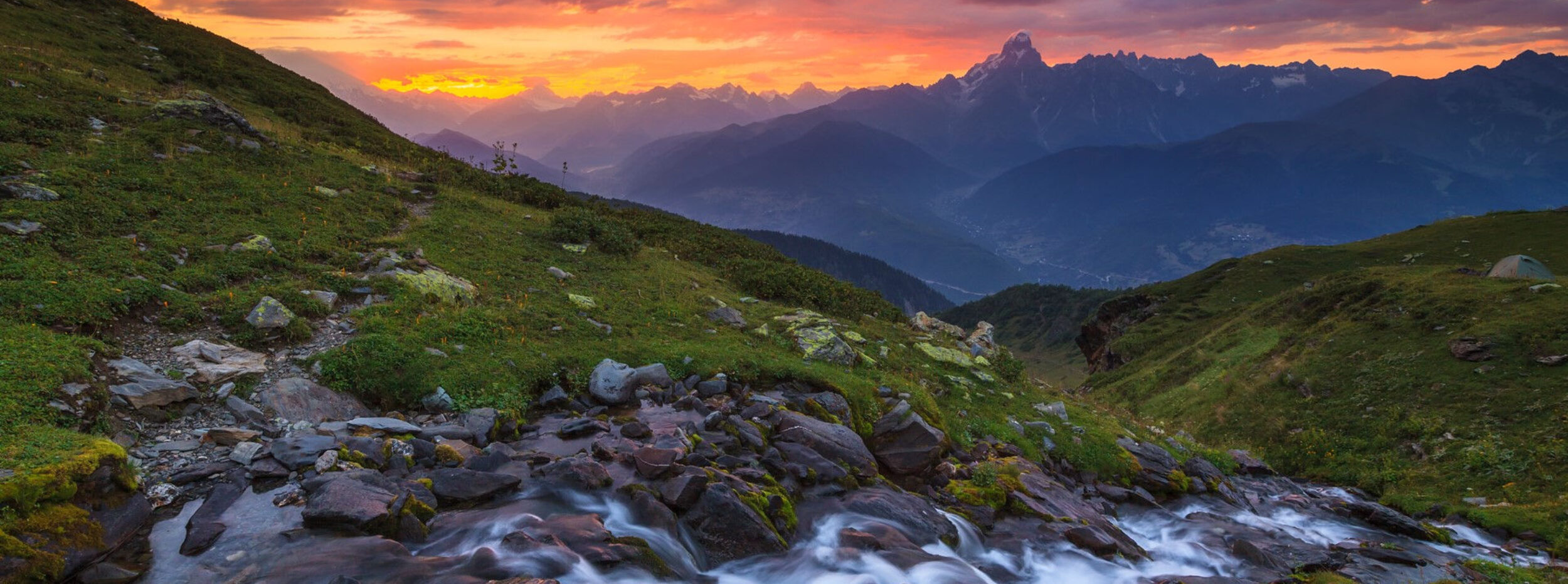
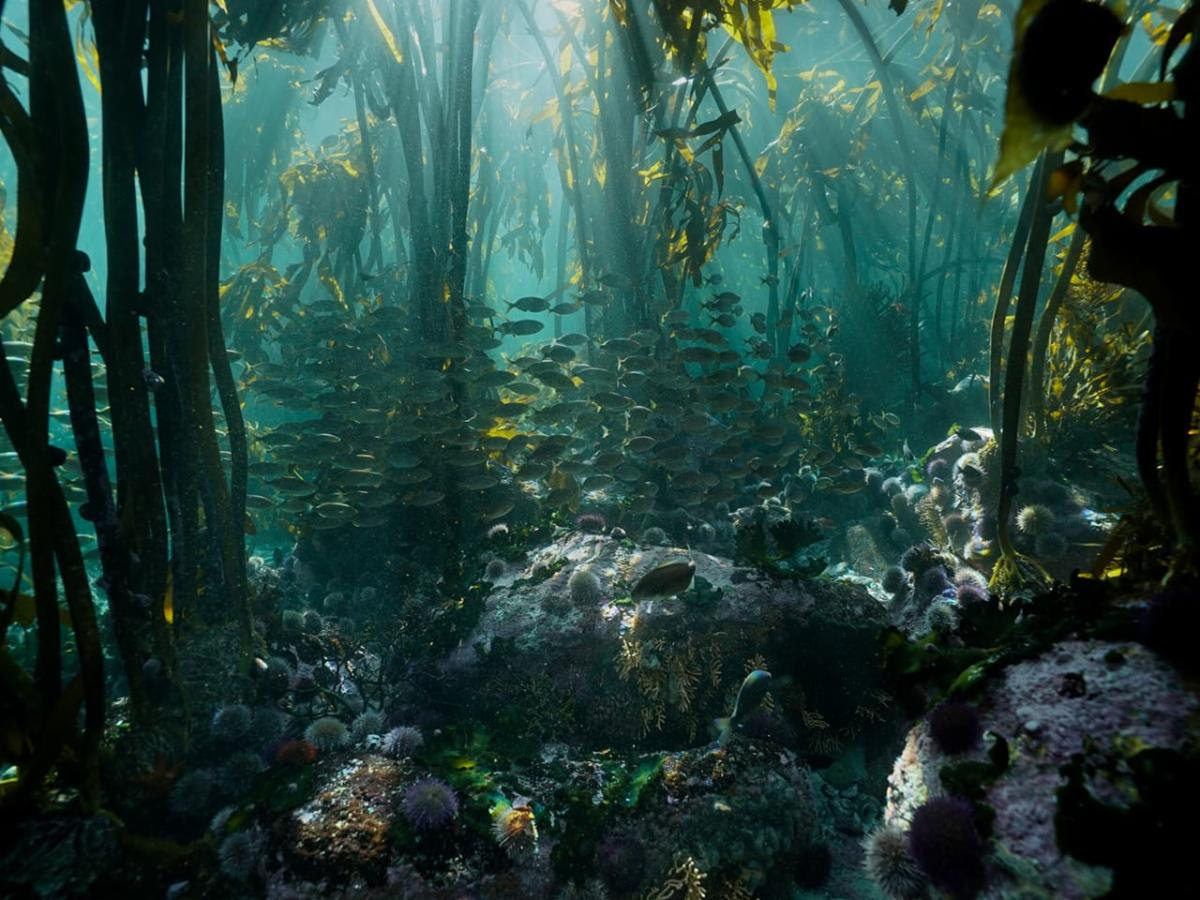
If you carry the weight of ecological grief, remember we are not powerful enough to destroy the Earth. Our real task isn’t to save her, but to recognize she is indestructible. To kick off our shoes, let our hearts break open, and head outside into the intricately woven village she cradles that aches to be admired.
Enjoy this 7 1/2 minute read or let me read it to you here.
I often write about humans being hybrid beings – deltas comingling transcendent spirit and incarnated soul, needles threading divine energy into physical matter. Our consciousness came here to learn, to serve, to peer out of these eyes and feel with these hands. And whatever happens here – whatever suffering or joy we experience – our true homes are beyond the physical and we return there when we leave these bodies.
It’s a comforting philosophy – one that provides a context for daily challenges and promises an eventual resolution to wholeness. But it’s also one that fuels addictive behavior in subtlely unexpected ways. By positioning life as toil and the only true peace as being released from my body, I disconnect from the possibility, from the birthright of primal joy; of the rapture of wilderness.
I don’t shame myself or any of us for forgetting. How could we know to seek what we’ve never experienced? How could we blame ourselves for seeking comfort where ever we can? Doesn’t every creature do that? But when I heard Craig Foster speak of the bush trackers who could sense everything an animal ate, felt, and did and would burst into spontaneous bouts of laughter erupting from that embedded intimacy, a thinly veiled well of emotion rose up in me.
To know the wild, not as a background for human narrative, but as a living, breathing intricately woven inter-species village that holds every part of our past, present, and future is to live in intimate mutually dependent relationship with every element of that landscape. To know a grasshopper not as a winged insect that damages crops, but as this specific being alighted on my hand with jaws that move sideways instead of up and down – a being who, as Mary Oliver describes, is 14 billion years of cosmic evolution suddenly taking flight.
To live with senses wide open to the sounds, smells, sights, and signs of a living world is to dwell inside a prayer, where every thread of attention is devoted to the purest, most tangible expression of the divine that we get in this lifetime. To be human is to be a conscious witness of the constantly unfolding and ever-evolving wonder of life itself.
We in the West have been robbed of that, robbed by our ancestors’ bids for survival and their ancestors’ obsession with greed and domination. And yet something in me can write as though I know what it’s like to live embedded in the earth, because a part of me has never left. A part of me knows that despite how much I ache for something beyond my reach, life can be tracked through streets of concrete and even within walls of steel. Everywhere there is lichen and mold. The dusty streaks of last week’s raindrops across my window. The tufts of dried leaves blown into the gutter. The divets in the hard soil next to the sidewalk where the sparrows dust bathe after I pass by.
As long as we have a body, the Earth holds us – holds us with her gravity, the air in our lungs, the rivers in our veins, the minerals in our bones. Everything we hold is derived from her body, or formed from the same forces that made her, even the machines and the chemicals that manufactured them, even the computer on which I write. We can destroy every forest, marsh, and kelp bed on this planet and still another million species will spring forth from the same processes that formed the first amoeba.
Our pain is for the damage to our life support system, for the loss of the non-human friends and kin we’ve come to know and love. But we do not need to mourn the Earth. She is untouchable, indestructible. She puts our wildest imaginings and cleverest technologies to shame. She’ll be here long after we cease to exist in any recognizable form and still long before our sun swells red and consumes her.
So go out and watch a hummingbird dust her forehead with pollen. Crawl down on your belly and watch the six-leggeds munch among the leaves. Let the sorrow rise as a wild strawberry melts on your tongue knowing you may be one of the last generations to savor that flavor. Feel the fear descend over how we might struggle – in some near decade – to feed, clothe, and shelter ourselves. Let the rage tear through over the ignorant greed and self-righteous pride of those who cheated or fought their way to power they didn’t deserve and those of us who let them rise and take us to this precipice.
But do not feel guilty for destroying the earth. We are not that powerful. Do not seek escape through numbness, self-indulgence, or withdrawal. We do not need to punish ourselves by further denying our wild aliveness. And do not feel ashamed of being human. We’re not inherently destined to destroy. We lived on the same lands in Africa for 300,000 years. We coexisted with megafauna in the Americas for thousands of years. We transformed the Amazon into a thriving ecosystem and food forest. As a species, we rise and fall. Individually and collectively we fail, learn, repair, and evolve.
So be here now. Find your place among your kin. Let our shared plight break your heart and the mysterious wonder of it all put you back together. Find new ways, perish, sprout up, and begin again as every evolving creature does. Let your job be the paycheck this twisted built world needs for warm, clean skin and a full belly, then kick off your shoes and get burrs in your hair.
Because when Mary Oliver asked, “What will you do with your one wild and precious life?” she wasn’t asking if we want to nurse the sick or invent solar panels or study environmental law. She was challenging us to remember what it is to be human, to spend a day wandering a meadow instead of chasing some colonialized version of purpose, our hearts shriveled, tragically convinced we’re alone in a world of destruction and despair while the living village we were born into crawls, scuttles, and flits past our window, just aching to be admired.
Go outside and meet them.
Nancy
Finding the Wild Within – Craig Foster. https://www.youtube.com/watch?v=30g38czepoU
Mary Oliver. https://www.poetry.com/poem/173568/the-summer-day
Haudenosaunee 101. https://drive.google.com/file/d/13AGCJ4ZnrG7-ZKDjA6ps3DlPlB3Gcr7f/view
- “Good Mind” concept to end years of warring over resources
- Who we are is determined by the land, so its difficult to define ourselves without it
- Importance of evolution, constantly adapting to changing circumstances
Humans in the Americas and shaping the Amazon:
- https://www.sciencefocus.com/planet-earth/amazonian-dark-earth-climate-change
- https://www.smithsonianmag.com/science-nature/pristine-untouched-amazonian-rainforest-was-actually-shaped-humans-180962378/
- https://www.science.org/content/article/what-killed-great-beasts-north-america
Discover more from InnerWoven
Subscribe to get the latest posts sent to your email.
Thanks, Nancy, for reminding my of the earth body, even though I lose track of its subtle vibration in a noisy culture. I know we are going home – just making a big mess on the way. But its OK.
Thank you so much for sharing your appreciation, Frank – it really inspires me to keep sharing. I hope you’re able to find some wonder and beauty within the mess. The wild ones help me so much with that!